Personal finance
The emergency fund, explained: how much, where to keep it, and when to use it
An emergency fund turns a crisis into an inconvenience. Here is how to size one, where to park it, and what actually counts as an emergency.

By Jordan Hale
2 min read
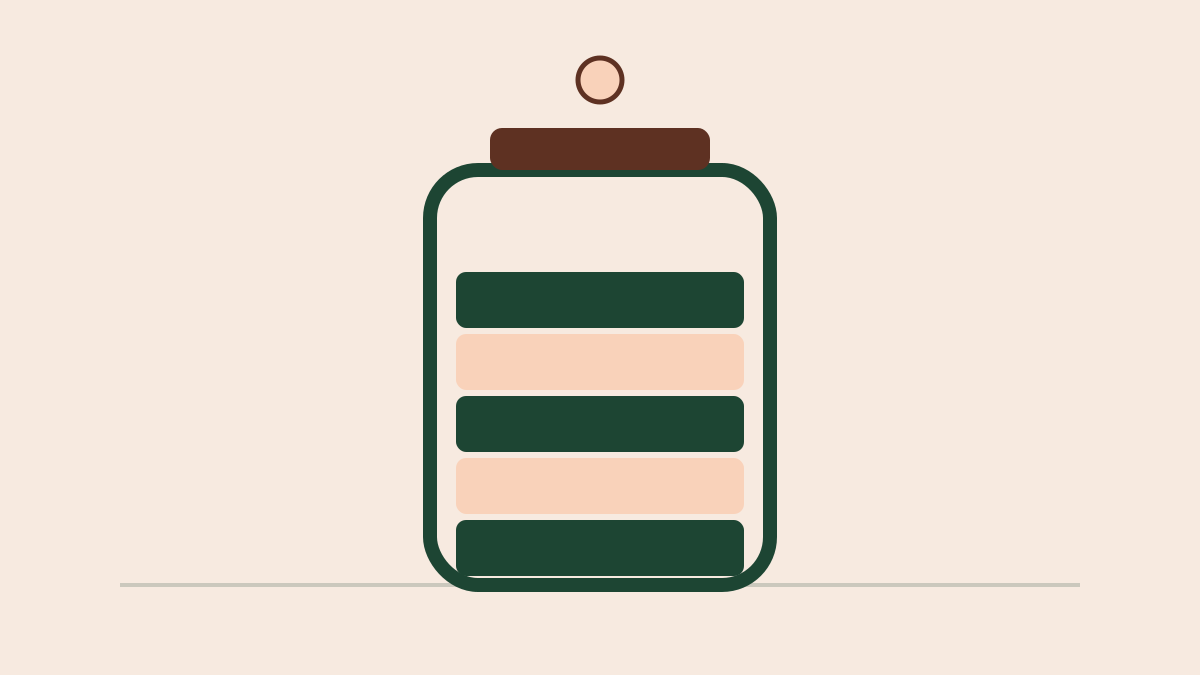
Most money advice starts with investing. We think it should start one step earlier, with a pile of cash whose only job is to sit there until life goes sideways. That pile is your emergency fund, and it is the reason a broken boiler stays a bad week instead of becoming a credit card balance you carry for a year.
What an emergency fund is for
An emergency fund is money set aside for expenses that are unexpected, necessary, and urgent. All three conditions matter. A holiday is necessary for your sanity but not urgent. A new phone might be urgent but rarely unexpected. A job loss, a medical bill, or an emergency car repair ticks every box.
How much you actually need
A common rule of thumb is three to six months of essential expenses. Essential means rent or mortgage, utilities, food, insurance, minimum debt payments, and transport. It does not mean your full current spending.
Lean toward three months if
- Your income is stable and you work in a field with steady demand
- Your household has two incomes that are unlikely to stop together
- You have no dependents relying on you
Lean toward six months or more if
- You are self-employed or paid on commission
- You are the only earner in your household
- You own a home or an older car, both of which break on their own schedule
Where to keep it
The fund needs to be safe, separate, and reachable within a day or two. That usually means a high-yield savings account at a different bank from your everyday checking account. The small amount of friction is a feature: it stops the fund from quietly becoming spending money.
“The goal of an emergency fund is not to earn a great return. It is to be there, at full value, on the worst day of your year.”
Avoid keeping it in the stock market. Markets tend to fall at the same moments people lose jobs, which is exactly when you would need to sell.
Building it without stalling everything else
- Start with a starter fund of one month of essentials. It covers most surprises.
- Set up an automatic transfer on payday, even a small one.
- Send windfalls such as tax refunds or bonuses straight to the fund until it is full.
- Once it hits your target, redirect the same transfer toward investing.
After you use it
Using the fund is not a failure, it is the point. The only rule is to refill it before you resume other goals. Treat the refill like a bill you owe your future self, and the fund will be ready the next time you need it.